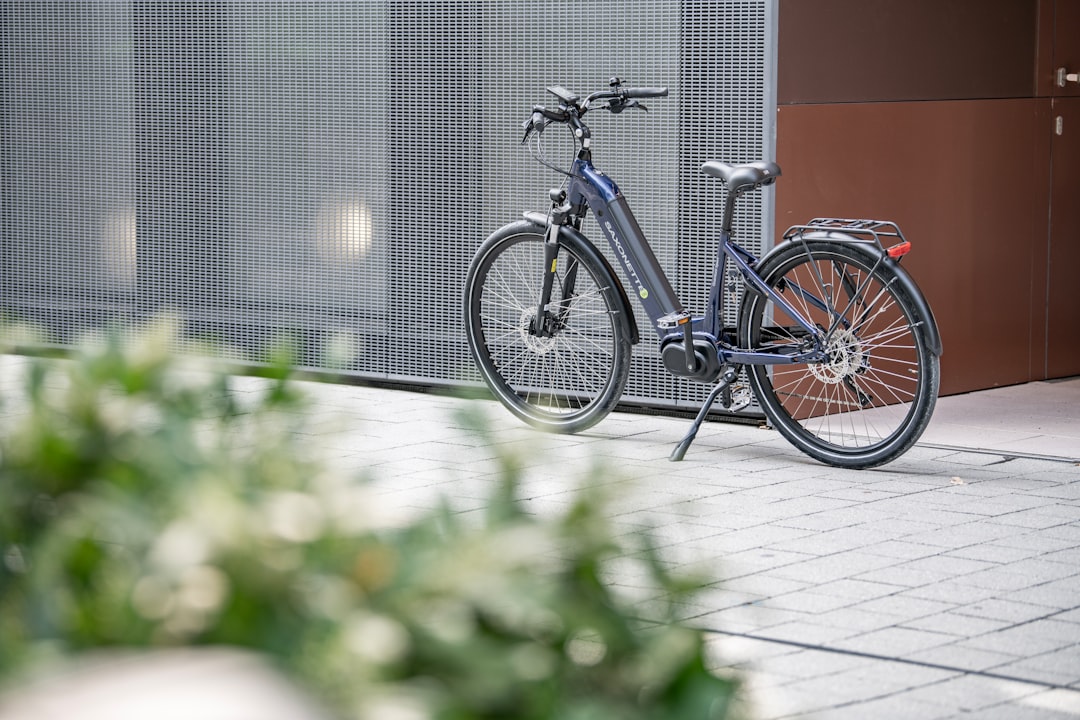
The decision to transport a bicycle during a vacation presents a number of practical challenges. Ensuring the safe and damage-free arrival of the bicycle at its destination is paramount, impacting the overall enjoyment of the trip. This article will explore the most secure methods available for bicycle transport, addressing various scenarios and levels of commitment from the traveler.
Before even considering the transportation method, meticulous preparation of the bicycle itself is crucial. This stage lays the foundation for a secure journey and minimizes the risk of damage.
1.1. Curățarea Completă a Bicicletei
A clean bicycle is a well-maintained bicycle. Thoroughly cleaning all components of the bicycle allows for a visual inspection of any pre-existing damage or wear and tear that could be exacerbated during transit. Dirt and grime can also obscure critical areas, making pre-transport checks less effective.
1.1.1. Îndepărtarea Prafului și a Murdăriei
Utilize a hose with low pressure or a bucket of water and gentle cleaning solutions. Specialized bicycle cleaning products are available, but a mild detergent and water combination can suffice for most situations. Pay particular attention to the drivetrain (chain, cassette, chainrings, derailleur), braking surfaces (rims or rotors), and suspension components.
1.1.2. Degresarea Componentelor Transmisiei
The drivetrain is particularly susceptible to accumulating grease and grit. Degreasing these components not only ensures a cleaner bicycle but also allows for a better assessment of chain wear, or any potential issues with the cassette or chainrings. Specialized degreasers are recommended for optimal results.
1.2. Inspectarea Tehnică Pre-Transport
A comprehensive mechanical check is non-negotiable. Identifying and addressing any potential problems before the bicycle is subjected to the stresses of transport can prevent more significant issues down the road.
1.2.1. Verificarea Presiunii în Anvelope
Under-inflated tires are more prone to pinch flats and rim damage. Over-inflated tires can be more susceptible to punctures or blowouts due to expansion. Ensure tires are inflated to the recommended pressure, typically found on the sidewall of the tire.
1.2.2. Verificarea Strângerii Șuruburilor și Bolțurilor
Vibrations during transport can loosen various fittings. A systematic check of all accessible bolts – stem, handlebars, seatpost, cranks, pedals, brake levers, shifters – is essential. Use appropriate tools and ensure they are tightened to the manufacturer’s specifications where available.
1.2.3. Inspectarea Sistemului de Frânare și a Transmisiei
Check brake pads for wear. Ensure brake levers and shifters are functioning correctly and that cables are not frayed. For hydraulic brakes, check for any signs of leaks. For gears, ensure they are shifting smoothly and accurately.
1.3. Demontarea Componentelor Voluminoase sau Fragile
Certain parts of the bicycle are best removed to reduce its overall dimensions and protect them from impact.
1.3.1. Demontarea Pedalelor
Pedals are often a point of contact during clumsy handling. Removing them significantly reduces the risk of damage to the pedals, crank arms, or other bicycles in close proximity. Ensure you know which pedal is left and right, as they have different threading.
1.3.2. Demontarea Roților
Removing the wheels is a standard procedure for most transport methods. This reduces the overall length of the bicycle and allows for better packing. Ensure quick-release skewers are removed or secured to prevent damage to the dropouts.
1.3.3. Demontarea Ghidonului (Opțional)
For certain compact transport solutions, rotating the handlebars or even removing them from the stem can be beneficial in minimizing bulk. If removing, ensure you mark the orientation or take clear photos to aid in reassembly.
2. Metode de Transport Aerian și Maritim
Transporting a bicycle via airplane or ship introduces specific regulations and requires specialized packing solutions.
2.1. Utilizarea Genzilor Specifice pentru Biciclete
These cases are designed with the bicycle’s unique shape and vulnerability in mind.
2.1.1. Genți Rigide (Hard Case)
Hard cases offer the highest level of protection against impacts. They are typically made of robust plastic or composite materials and often include internal padding and straps to secure the bicycle. While offering superior protection, they are generally heavier and more expensive.
2.1.2. Genți Semirigide (Soft Case cu Armătură)
These offer a compromise between protection and weight. They typically feature a durable fabric exterior with internal padding and sometimes integrated structural elements for added rigidity. They are often lighter and easier to handle than hard cases.
2.2. Ambalarea Eficientă în Interiorul Genzii
Proper internal packing is crucial even with a high-quality case.
2.2.1. Protejarea Cadranului și a Componentelor Critice
Use foam padding, bubble wrap, or specialized bicycle frame protectors to cushion vulnerable areas like the top tube, down tube, seat tube, and chainstays. Pay extra attention to the fork and rear triangle.
2.2.2. Fixarea Bicicletei cu Benzi Velcro sau Curele
Internal straps or Velcro ties are essential for preventing the bicycle from shifting within the case during transit. Ensure all demounted components are also secured and do not rattle around.
2.3. Respectarea Regulilor Companiilor Aeriene și Maritime
Airlines and shipping companies have specific policies regarding the transport of bicycles.
2.3.1. Dimensiuni și Greutate Maximă Admisă
It is imperative to check the size and weight restrictions of the chosen airline or shipping service beforehand. Exceeding these limits can result in substantial additional fees or even the refusal of carriage.
2.3.2. Taxe Suplimentare pentru Echipament Sportiv
Many carriers designate bicycles as oversized or sporting equipment, incurring extra charges beyond the standard baggage allowance. Researching these fees in advance is crucial for budgeting.
2.3.3. Declarație de Valoare și Asigurare
For expensive bicycles, it is prudent to declare their value and consider purchasing additional insurance to cover potential damage or loss during transit.
3. Transportul cu Autoturismul Propriu
Transporting a bicycle with a personal vehicle offers flexibility but requires appropriate mounting solutions to ensure safety.
3.1. Sisteme de Prindere pe Acoperiș (Roof Racks)
Roof racks are a popular choice for their convenience and ability to keep the interior of the vehicle free.
3.1.1. Tipuri de Suporturi pentru Biciclete de Acoperiș
There are various designs, including those that clamp to the fork, frame, or wheels. Fork-mounted racks are generally considered the most secure as they remove rotational forces on the frame.
3.1.2. Montarea Corectă și Securizarea Bicicletei
Follow manufacturer instructions precisely. Ensure the rack is securely attached to the vehicle’s crossbars, and that the bicycle is firmly clamped and strapped to the rack. Consider using additional straps for redundancy.
3.1.3. Considerații privind Înălțimea și Aerodinamica
Be acutely aware of the increased height of the vehicle when the bicycle is mounted on the roof. This is critical when driving through parking garages, under bridges, or near low-hanging obstacles. The added drag can also affect fuel efficiency.
3.2. Suporturi Montate pe Hayon (Tailgate Racks)
These are generally easy to install but can pose more risk to the vehicle’s paintwork.
3.2.1. Beneficii și Dezavantaje
Tailgate racks offer easier loading and unloading compared to roof racks. However, they can sometimes obscure rear visibility and, if not properly padded, can cause scratches or dents to the vehicle’s tailgate.
3.2.2. Protecția Vopselei Vehiculului
Use protective padding where the rack makes contact with the vehicle. Ensure the straps are tightened securely to prevent any movement that could lead to damage.
3.3. Suporturi Montate pe Cârligul de Remorcare (Tow Bar Racks)
These are often stable and can carry multiple bicycles.
3.3.1. Stabilitate și Capacitate de Încărcare
Tow bar racks are generally very stable due to their direct mounting to the vehicle’s chassis. They often have a higher weight capacity, making them suitable for transporting several bicycles.
3.3.2. Accesul la Portbagajul mașinii
Some tow bar racks can be tilted or folded down to allow access to the vehicle’s trunk without removing the bicycles. This is a significant convenience factor.
3.3.3. Verificări Periodice ale Fixării
Given the significant weight and leverage involved, it’s crucial to periodically check the tightness of the tow bar rack and the security of the bicycles mounted on it, especially on longer journeys.
4. Transportul cu Trenul
Train travel can be an environmentally friendly and often comfortable option for transporting bicycles, though it comes with its own set of considerations.
4.1. Opțiuni de Transport pentru Biciclete în Tren
Different train operators and routes offer varying services for cyclists.
4.1.1. Vagoane Speciale cu Spațiu pentru Biciclete
Some long-distance and regional trains are equipped with designated carriages or areas for bicycle storage. These often have racks or hooks where bicycles can be secured.
4.1.2. Ambalarea Bicicletei ca Bagaj Suplimentar
If dedicated bike space is unavailable, bicycles may need to be partially or fully disassembled and packed into a protective bag or box, treated as oversized luggage.
4.2. Rezervarea Locului pentru Bicicletă
It is often necessary to book a space for the bicycle in advance.
4.2.1. Procedura de Rezervare și Costuri Asociate
The booking process and any associated fees vary widely between train companies. Information is usually available on their respective websites.
4.2.2. Verificarea Disponibilității Locurilor
Especially during peak travel seasons, bike spaces can fill up quickly. Early booking is highly recommended.
4.3. Reguli Specifice ale Operatorilor de Transport Feroviar
Each train operator will have its own set of rules regarding bicycle transport.
4.3.1. Dimensiuni și Greutate
Some operators might have limitations on the size and weight of the bicycle or its packaging.
4.3.2. Necesitatea Demontării sau Pliării
For non-dedicated spaces, the bicycle might require some disassembly or, if it’s a folding bike, it might be easier to transport.
5. Soluții Alternative și Recomandări Generale
Beyond the primary methods, there are other considerations and a general approach to ensuring a smooth bicycle transport experience.
5.1. Utilizarea Serviciilor de Curierat Specializat
For those who prefer not to transport the bicycle themselves, specialized courier services exist.
5.1.1. Companii Specializate în Transportul de Biciclete
These companies are experienced in handling bicycles and often offer comprehensive packing and shipping solutions. They can transport the bicycle directly to your destination or a designated pick-up point.
5.1.2. Avantajele și Dezavantajele Acestor Servicii
The primary advantage is convenience, as they take care of the logistics. The disadvantage can be the cost, which may be higher than self-transportation.
5.2. Asigurarea Bicicletei pe Parcursul Transportului
Regardless of the method chosen, insuring the bicycle provides peace of mind.
5.2.1. Asigurări de Călătorie cu Acoperire Specifică
Some travel insurance policies offer extended coverage for sporting equipment like bicycles.
5.2.2. Asigurări dedicate pentru Echipament Sportiv
Independent insurance providers may offer policies specifically designed to cover bicycles against damage or theft during transit and use.
5.3. Recomandări Finale pentru un Transport Fără Probleme
A few key pieces of advice can significantly improve the outcome.
5.3.1. Documentarea Stării Bicicletei Înainte de Încărcare
Taking clear photographs or videos of the bicycle’s condition before packing can serve as valuable evidence in case of any disputes or claims.
5.3.2. Păstrarea Tuturor Documentelor de Transport
Keep all receipts, booking confirmations, and tracking information readily accessible.
5.3.3. Planificarea Timpului Suficient pentru Ambalare și Deambalare
Rushing these processes increases the likelihood of errors and potential damage. Allocate sufficient time for meticulous preparation and reassembly. By carefully considering these options and implementing proper procedures, travelers can significantly enhance the security of their bicycle transport and ensure it arrives ready for enjoyment at their holiday destination.
FAQs
Care sunt cele mai sigure metode de transport al bicicletei în vacanță?
Există mai multe metode sigure de transport al bicicletei în vacanță, printre care se numără montarea acesteia pe un suport special pentru mașină, folosirea unui portbagaj special pentru biciclete sau transportul cu trenul sau avionul.
Cum pot monta bicicleta pe mașină în mod sigur?
Pentru a monta bicicleta pe mașină în mod sigur, este recomandat să folosiți un suport special pentru biciclete care se atașează de portbagajul mașinii sau de bara de remorcare. Asigurați-vă că bicicleta este bine fixată și că nu există riscul ca aceasta să se deplaseze în timpul transportului.
Care sunt avantajele și dezavantajele transportului bicicletei cu trenul sau avionul?
Transportul bicicletei cu trenul poate fi o opțiune convenabilă și sigură, însă este important să verificați politica fiecărei companii feroviare în ceea ce privește transportul bicicletelor. Transportul bicicletei cu avionul poate fi costisitor și necesită ambalarea corespunzătoare a bicicletei într-o cutie specială, însă este o opțiune potrivită pentru vacanțele în destinații îndepărtate.
Ce trebuie să iau în considerare atunci când folosesc un portbagaj special pentru biciclete?
Atunci când folosiți un portbagaj special pentru biciclete, este important să verificați capacitatea acestuia în funcție de greutatea și dimensiunile bicicletei dumneavoastră. De asemenea, asigurați-vă că portbagajul este montat corect și că bicicleta este fixată în mod corespunzător pentru a evita orice incidente pe drum.
Care sunt regulile de siguranță pentru transportul bicicletei în vacanță?
Pentru a asigura un transport sigur al bicicletei în vacanță, este important să respectați regulile de siguranță rutieră și să verificați periodic starea de fixare a bicicletei. De asemenea, este recomandat să evitați depășirea limitelor de viteză și să adaptați viteza în funcție de condițiile de drum și de greutatea bicicletei.